
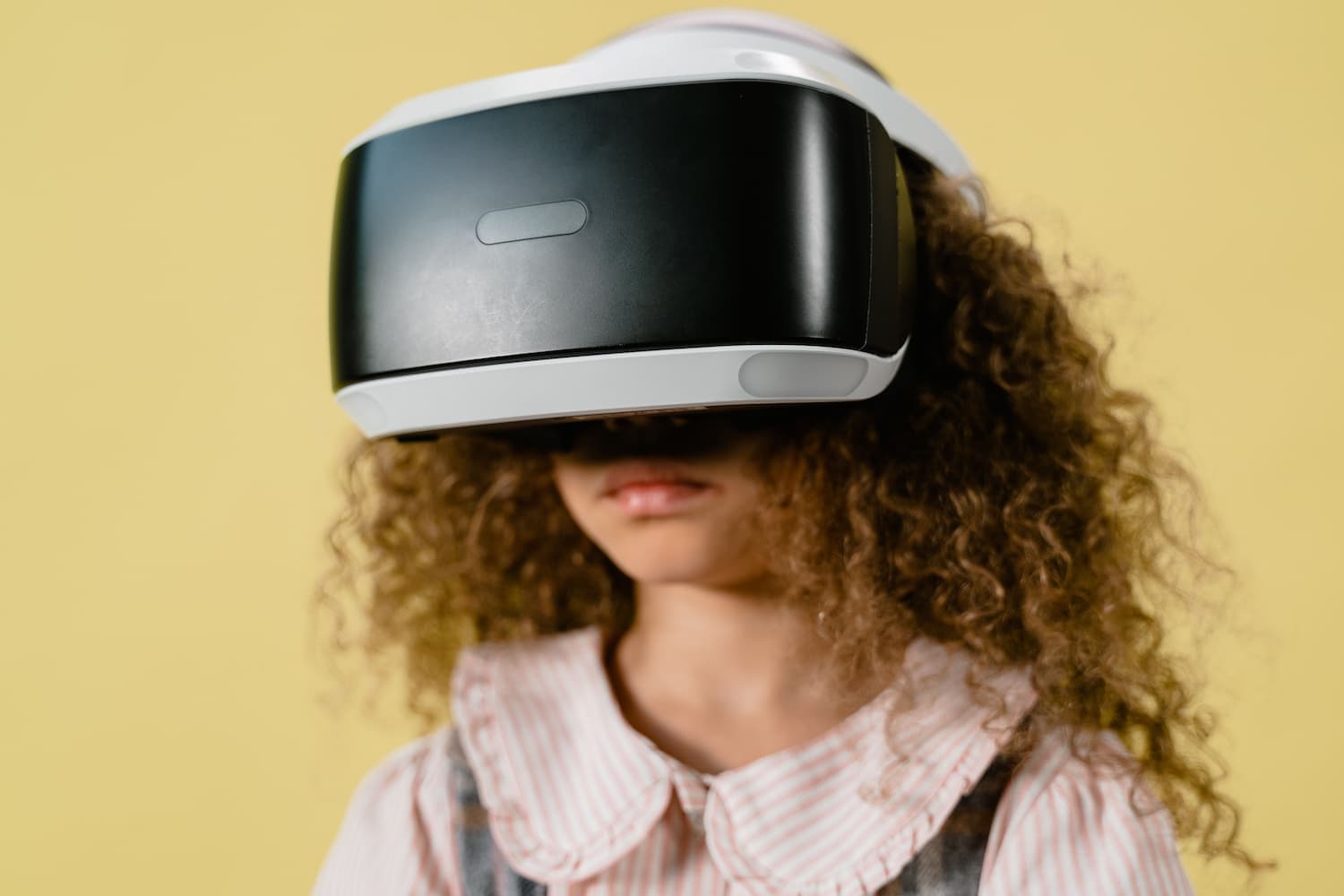
When you hear “Virtual Reality,” what comes to mind?
Probably gaming. Maybe a kid with a headset swinging a controller around, fighting zombies or flying through space.
And sure, that’s a big part of it.
But here’s the thing.
VR has quietly grown up. It’s no longer just for gamers in their basements. It’s being used in hospitals, offices, classrooms, and even therapy sessions.
And some of these uses? They’ll blow your mind.
Let’s dive into 5 surprising ways VR is changing the real world—no joystick required.
1. Pain Management Without Pills
This sounds like science fiction.
But it’s real.
Hospitals are now using VR to help patients deal with severe pain. Instead of giving them more drugs, they put on a headset and transport them to a calm, beautiful world.
Think about it.
If your brain is busy exploring an icy glacier or walking through a peaceful forest, it has less attention left for the pain signals coming from your body.
It’s not a trick. It’s science.
Burn victims, cancer patients, and even women in labor have reported significantly less pain when using VR during procedures.
Less medication. Less side effects. More comfort.
That’s a win.
2. Training Surgeons Before They Cut
Would you want a doctor practicing on you?
Probably not.
But what if they could practice 100 times before they even touched a real patient?
That’s what VR is doing for surgeons.
Medical students can now perform virtual surgeries. They can make mistakes. They can learn from them. They can repeat the same procedure over and over until they get it perfect.
No patients get hurt. No pressure. Just pure, safe learning.
And the best part? They can practice rare, complicated surgeries that they might only see once or twice in their whole career.
When you go under the knife one day, your surgeon might have already done your surgery—virtually—dozens of times.
That’s comforting, right?
3. Treating Phobias and PTSD
This one is powerful.
Imagine you’re terrified of heights. Just thinking about standing on a tall balcony makes your heart race.
How do you fix that?
Traditionally, therapists would slowly expose you to the fear. Maybe show you pictures. Then videos. Then maybe take you to a real high place.
But that takes time. And it can be scary.
Enter VR.
With a headset, a therapist can put you on a virtual rooftop. Or a virtual airplane. Or even a virtual elevator.
You can face your fear in a safe, controlled environment. You can stop anytime. You can try again.
The same goes for veterans with PTSD. VR is being used to help them process traumatic memories in a way that feels manageable.
It’s not a cure-all. But for many people, it’s life-changing.
4. Designing Buildings and Cities
Architects used to spend weeks building tiny physical models of their designs.
Now? They build them in VR.
And it’s way cooler.
With VR, you can actually walk through a building before a single brick is laid. You can see how the light comes in. You can check if the hallways feel too narrow. You can test the view from the 20th floor.
Imagine you’re designing a new office. Instead of guessing where to put the windows or the desks, you can just… go there. Virtually.
You can even walk through a whole neighborhood. See how the buildings look from the street. Check if the park feels welcoming.
It saves money. It saves time. And it leads to better designs.
Because nothing beats experiencing a space—even if it’s not real yet.
5. Helping People with Dementia Relive Memories
This one made me emotional.
There’s a program where elderly people with dementia put on a VR headset and get transported back to their childhood.
They can walk through a virtual version of their old street. They can visit the beach they used to go to as a kid. They can sit in a park that doesn’t exist anymore.
And something beautiful happens.
For a few moments, they remember.
They smile. They cry. They tell stories they haven’t told in years.
It’s not just entertainment. It’s therapy for the soul. It brings joy to people who have lost so much.
And it gives their families a chance to connect with them again.
That’s the power of VR when we use it for good.
So, What’s the Point?
We think of VR as a toy.
But it’s becoming something much bigger.
It’s a tool for healing. A tool for learning. A tool for connecting.
And we are only at the beginning.
In 10 years, VR might be as common as smartphones. And we’ll look back and laugh at the days when we thought it was just for gaming.
The future is virtual.
But the impact? It’s very, very real.
So next time someone says “VR is just for kids playing games,” you can smile and say:
“Actually… it’s saving lives.”
And that’s no game.