
Think about this.
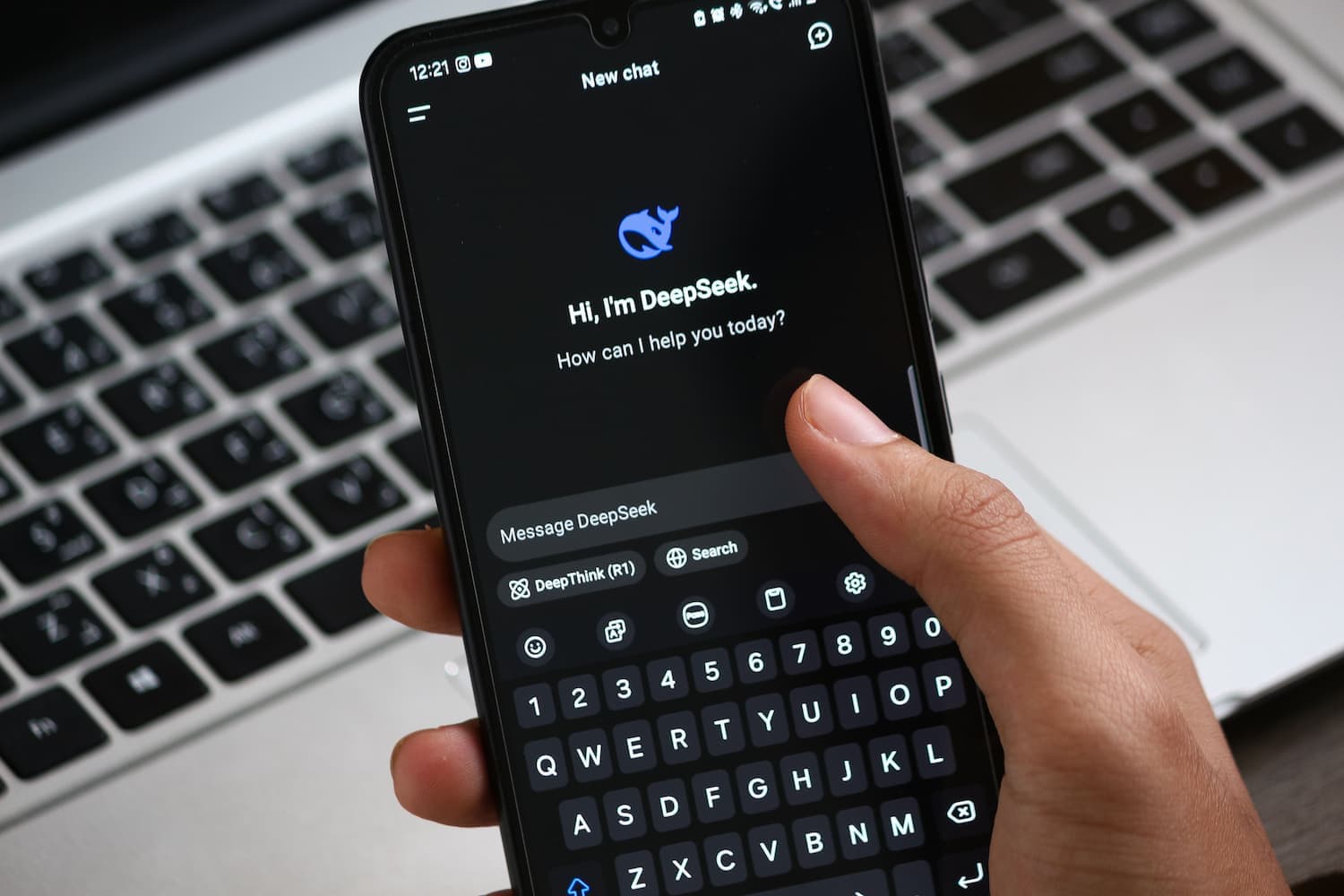
Right now, you’re holding a device that has more computing power than the machines that sent humans to the moon.
You can talk to it. It can answer you. It can recognize your face. It can translate languages in real time. It can even write poetry.
And you probably take it for granted.
But here’s the crazy part.
Just 20 years ago, none of this existed.
Not the apps. Not the cameras. Not the AI. Not even the touchscreen we swipe on every single day.
We went from nothing—literally nothing—to artificial intelligence in our pockets in just two decades.
Let’s take a walk down memory lane.
2000–2005: The Brick Era
Remember these?
Big. Heavy. Black. And all they did was… call people.
Okay, maybe you could play Snake. And maybe—if you were fancy—you could send a text message. But that took forever because you had to press the number keys multiple times just to type one letter.
Phones in the early 2000s were dumb. They were literally called “dumbphones.”
No internet. No camera (or a terrible one). No color screen, most of the time.
But they did one thing really well: they made calls. And they were tough. You could drop a Nokia on concrete and the floor would crack before the phone did.
Life was simple. You called someone. You talked. You hung up.
That was it.
2005–2010: The Dawn of the Smartphone
This is when things started to get interesting.
BlackBerry came out with phones that had keyboards. You could actually type properly. Emails became a thing. Business people loved them.
Then in 2007, everything changed.
Steve Jobs stood on a stage and showed the world the iPhone.
A phone with no keyboard. Just a big screen. And you touched it.
People thought it was crazy.
“Who would want a phone with no buttons?”
Turns out… everyone.
This was the birth of the modern smartphone. The App Store came in 2008. Suddenly, you could download games, weather apps, and tools that didn’t exist before.
Your phone was no longer just for calls. It was becoming a mini-computer.
2010–2015: The App Explosion
Now things got wild.
It wasn’t just Apple anymore. Android took over. Samsung, HTC, LG—everyone was making smartphones.
And the apps? There was an app for everything.
Want to find a date? Tinder.
Want to find your way? Google Maps.
Want to order food? UberEats.
Want to share your life? Instagram.
This was the era when smartphones stopped being “nice to have” and became essential.
Without your phone, you felt lost. Literally—you didn’t know where to go without GPS. You didn’t know what your friends were doing without social media.
We started carrying our whole lives in our pockets. Photos. Music. Contacts. Emails. Banking.
The phone became our brain’s external hard drive.
And the cameras got so good that we stopped buying real cameras. Who needed them?
2015–2020: The Smarter Screen
By now, everyone had a smartphone. Even your grandma.
So companies had to compete on something else.
Screen quality. Bigger. Brighter. OLED. 4K. HDR. Phones became gorgeous.
Camera quality. Two lenses. Three lenses. Night mode. Portrait mode. You could take professional-looking photos with zero skill.
Battery life. Still not great, but better.
And then came face recognition and fingerprint sensors. No more typing passwords. Your face was the password.
This was also when phones started getting smart in other ways. Your phone learned your habits. It knew when you were going home. It suggested routes. It recommended music.
It was quietly becoming… intelligent.
But we were still a few years away from the next big leap.
2020–2024: The AI Era
Welcome to now.
Your phone is no longer just a phone. It’s a personal assistant.
Ask Siri. Ask Google. Ask Alexa.
They understand you. Not just commands—but full conversations.
AI can now:
- Write emails for you.
- Edit photos automatically.
- Translate languages in real time while you’re talking.
- Summarize long articles you don’t have time to read.
- Suggest replies to messages so you don’t even have to think.
The camera uses AI too. It knows what you’re taking a picture of. It adjusts settings automatically. It can even remove people from the background.
And Generative AI? That’s brand new. You can ask your phone to create a poem, a recipe, or even a whole blog post (like this one!) and it just… does it.
It feels like magic.
But it’s not magic. It’s 20 years of evolution.
2025 and Beyond: What’s Next?
So… where do we go from here?
Foldable phones are getting better. We might see phones that roll up like scrolls.
AI will get even smarter. Maybe your phone will finish your sentences. Maybe it will anticipate what you need before you even ask.
We might see phones that don’t look like phones anymore. Maybe glasses. Maybe watches. Maybe something we can’t even imagine.
One thing is certain: the pace is only getting faster.
Final Thoughts
Twenty years.
From a block of plastic that could only make calls, to a pocket-sized supercomputer with artificial intelligence.
It’s honestly mind-blowing.
My dad had a phone in 2004 that didn’t even have a color screen.
I now have a phone that can edit videos, manage my entire calendar, diagnose plant diseases, and tell me the weather in Tokyo.
We went from nothing to AI.
And the craziest part?
We’re just getting started.
So next time you pick up your phone, take a second.
Smile.
Because you’re holding 20 years of human genius in the palm of your hand.
And that’s pretty incredible.